Getting your muzzleloader sighted in before hunting season is one of the most important parts of preparing for a successful hunt. Whether you're using a traditional sidelock or a modern inline muzzleloader equipped with open sights, understanding how your rifle performs at different distances can make a significant difference when the opportunity for a shot finally arrives.
In this Muzzle-Loaders.com range-day video, Darren Binder heads to the range with his friend Mason to prepare for an upcoming whitetail muzzleloader hunt during the rut.
Both hunters are using modern inline muzzleloaders equipped with Williams Western Precision sights, and their goal is to get their rifles dialed in before heading into the field.
Throughout the range session, they work through sight adjustments, changing distances, and a few unexpected challenges that demonstrate why spending time at the range is so important.
Preparing for a Whitetail Muzzleloader Hunt
Darren and Mason are preparing for a whitetail hunt after successfully drawing muzzleloader tags.
For Darren, the hunt presents an exciting opportunity to explore unfamiliar hunting territory. Although he has experience hunting with muzzleloaders, this particular location is somewhere he hasn't previously hunted whitetails.
The two hunters are also planning to document the experience, bringing viewers along for the hunt and sharing footage from camp and the field.
Before any of that can happen, however, they need to make sure their muzzleloaders are ready.
Darren recently installed a Williams Western Precision rear sight on his rifle, which means he needs to confirm his zero.
Mason is also working with a new sight configuration on a Traditions Pursuit muzzleloader.
With daylight limited, the two head to the range to begin evaluating their setups.
Muzzleloaders and Open Sights Used During the Range Session
Both hunters are using modern inline muzzleloaders with Williams Western Precision sight systems.
Darren is shooting a CVA Accura, while Mason is using a Traditions Pursuit provided for the upcoming hunt.
The Williams Western Precision system is designed to provide an adjustable open-sight option for muzzleloader hunters.
Unlike a traditional riflescope, an open-sight system requires the shooter to maintain proper alignment between the sighting components and the target.
This can introduce additional challenges, particularly as shooting distances increase.
Williams Western Precision Sights
One of the primary pieces of equipment featured in the video is the Williams Western Precision sight system.
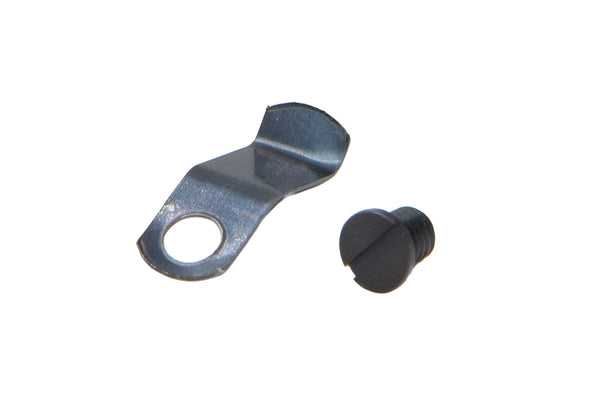
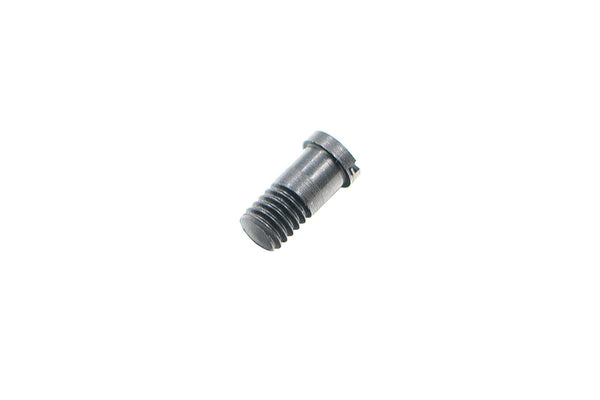
Darren recently installed the Micro Adjust Williams Western Precision rear sight on his muzzleloader.
Both hunters are working with adjustable sight systems, allowing them to make corrections as they evaluate their shots.
Darren also discusses the reticle inserts available for the Western Precision system, including additional aiming references intended for longer distances.
However, the exact relationship between those aiming references and the point of impact must be confirmed with the specific rifle and ammunition combination.
The range session provides an opportunity to see how these sights perform under actual shooting conditions.
Starting the Muzzleloader Sight-In Process at 25 Yards
Rather than beginning at 100 yards, Darren and Mason start their range session at 25 yards.
The objective is to establish an initial point of impact and determine whether their rifles are reasonably aligned with the targets.
Beginning at a shorter distance can make it easier to identify where a rifle is shooting before evaluating its performance farther downrange.
During the initial portion of the session, both hunters work through several adjustments.
Some shots are low, while others require corrections to the left or right.
Darren and Mason also discuss the differences between their triggers, with Mason noting that the two-stage trigger on his rifle feels different from the single-stage trigger he's accustomed to using.
These details highlight an important part of preparing a hunting rifle: becoming familiar with how the entire setup feels and functions.
By the end of the initial shooting session at 25 yards, both hunters have made progress toward getting their rifles sighted in.
With their initial adjustments completed, they're ready to evaluate their performance at 100 yards.
Moving the Muzzleloaders Out to 100 Yards
Once Darren and Mason are satisfied with their initial progress at 25 yards, they move their targets out to 100 yards.
This is where the range session becomes more challenging.
At the longer distance, small differences in sight alignment and shooting technique become more noticeable.
Darren's initial shots are landing on the target, although his point of impact still needs adjustment.
Mason, meanwhile, has difficulty getting his shots onto the paper.
The two continue evaluating their results, discussing adjustments, and working through the challenges.
As the afternoon progresses, the sun also becomes a factor.
Darren mentions that sunlight reflecting off the barrel and into the sight picture makes it increasingly difficult to see the target clearly.
This is a useful reminder that range conditions can influence shooting performance.
Even when a rifle and its sights are functioning properly, lighting, visibility, and the shooter's ability to maintain a consistent sight picture can affect the results.
Challenges with the Williams Western Precision Sight
One of the more interesting parts of the video involves the difficulties Mason experiences with his Williams Western Precision rear sight.
While Darren makes steady progress toward getting his CVA Accura dialed in, Mason continues struggling to establish a consistent point of impact with his Traditions Pursuit.
The two experiment with adjustments, but the results aren't developing as expected.
At one point, Darren also realizes that his initial estimate of how much point-of-impact movement corresponds to each sight adjustment wasn't correct.
This creates another round of adjustments as he works toward his desired zero.
The experience illustrates why it's important to understand the specific adjustment characteristics of the sight system installed on your muzzleloader.
Not every adjustable sight works the same way, and assumptions about adjustment increments can lead to unnecessary frustration.
For any sighting system, the manufacturer's documentation should be the primary reference for understanding how the adjustments function.
How Accurate Are Open Sights at 100 Yards?
Open sights can provide excellent accuracy, but they introduce different challenges compared with a magnified riflescope.
During the video, Darren discusses his expectations for a muzzleloader equipped with open sights.
His general goal is to keep his shots within an area approximately the size of a pie plate at 100 yards, although he notes that he often prefers tighter groups.
That represents Darren's personal range-day benchmark rather than a universal standard for hunting accuracy.
The appropriate accuracy requirement depends on the firearm, shooting conditions, target, and the hunter's demonstrated ability.
As the session continues, Darren makes additional adjustments and works toward a more consistent point of impact.
By the end of the day, his CVA Accura is producing a group he estimates at approximately one inch.
That's an encouraging result, especially considering the open-sight setup and the challenges presented by the afternoon lighting.
The Importance of Understanding Your Muzzleloader Before Hunting
One of the biggest lessons from this range session is that familiarity with your equipment matters.
Darren and Mason aren't simply taking their rifles out to fire a few shots.
They're evaluating new sight systems, becoming familiar with how their rifles behave, and identifying potential problems before heading into the field.
For Darren, the session confirms that his CVA Accura is performing well with the newly installed sight.
For Mason, the session identifies an issue that needs additional attention.
Although Mason doesn't finish the day with his Traditions Pursuit completely sighted in, the range session is still valuable.
Discovering a problem before hunting season provides an opportunity to address it without the pressure of an animal standing downrange.
That preparation is especially important when using open sights, where maintaining a consistent sight picture can require additional practice.
Troubleshooting Muzzleloader Sight-In Problems
Muzzleloader sight-in sessions don't always go according to plan.
Even experienced shooters can encounter challenges involving equipment, lighting, or shooting technique.
Several factors become apparent throughout Darren and Mason's range session.
Sight Adjustment Issues
Adjustable sights require an understanding of how their adjustment mechanisms function.
If the point of impact doesn't respond as expected, the sight may need to be inspected or its adjustment procedure reviewed.
Inconsistent Shooting Technique
Both hunters acknowledge shots that don't land where expected because of shooter error.
This is a normal part of range practice and reinforces the importance of maintaining consistent fundamentals.
Changing Lighting Conditions
As the sun begins to set, glare and reflections make it increasingly difficult for Darren and Mason to see their targets clearly.
This demonstrates how environmental conditions can affect the sight picture, even during an otherwise productive range session.
Ignition Delays
The video also includes instances where the hunters experience hang fires.
A hang fire is a delay between the ignition system being activated and the main powder charge firing.
Any delayed ignition or misfire should be treated as a safety concern. Keep the muzzle pointed in a safe direction and follow the firearm manufacturer's procedures before inspecting or handling the firearm further.
Final Results: CVA Accura vs. Traditions Pursuit
By the end of the range session, Darren and Mason have experienced two very different outcomes.
CVA Accura: Darren successfully gets his muzzleloader sighted in at 100 yards. He estimates his final group at approximately one inch and feels confident that the rifle is ready for the upcoming hunt.
Traditions Pursuit: Mason continues experiencing difficulties with the adjustable rear sight. Rather than continuing to make uncertain adjustments as daylight fades, Darren decides to bring the rifle back to the shop for further inspection.
Although Mason's rifle isn't completely dialed in by the end of the video, he gains valuable time behind the trigger and becomes more familiar with the setup.
The plan is to resolve the sight issue and return to the range before the hunt.
These different outcomes demonstrate that even when two hunters are using similar sight systems, their experiences can vary considerably.
Getting Ready for Muzzleloader Hunting Season
A successful muzzleloader hunt begins long before opening morning.
Range practice helps hunters understand their equipment, evaluate accuracy, and recognize potential issues before they become problems in the field.
For hunters using open sights, that preparation can be especially important.
Whether you're shooting a CVA Accura, a Traditions Pursuit, or another muzzleloader, the goal is to develop confidence in your firearm and understand its performance within your own capabilities.
Darren and Mason's range session is a good example of what that preparation can look like.
Sometimes everything comes together, and you leave the range with a rifle that's ready to hunt.
Other times, you identify a problem that requires another trip to the range.
Both outcomes are part of the process.
What's Next for Darren and Mason?
With the CVA Accura sighted in and the Traditions Pursuit scheduled for additional troubleshooting, Darren and Mason are one step closer to their upcoming whitetail muzzleloader hunt.
The two plan to document their experience, including time in camp and footage from the hunt itself.
For Darren, it's an opportunity to explore new whitetail hunting territory and share the experience with viewers.
For Mason, it's a chance to put his range preparation into practice.
Stay tuned to Muzzle-Loaders.com for more range testing, muzzleloader hunting content, and updates from their upcoming hunt.




Leave a comment