
Have Questions?
Call 1(855) 236-5000
 >
>
Properly cleaning your muzzleloader is one of the most important parts of muzzleloader ownership. Black powder and black powder substitutes leave behind residue that can contribute to corrosion, affect accuracy, interfere with ignition, and eventually damage your rifle if it isn't removed.
Unlike many modern centerfire rifles, a muzzleloader shouldn't simply be put back in the safe after a day at the range. Regular cleaning needs to become part of your shooting routine.
In this guide, we'll cover how to clean a muzzleloader in the field, how to perform a thorough cleaning after shooting, what cleaning tools you should have, and some of the most common questions about muzzleloader cleaning and maintenance.
Black powder and many black powder substitutes leave behind corrosive residue when fired. If that residue remains in your muzzleloader, it can begin working against the steel and eventually lead to rust, corrosion, and pitting.
Powder residue also builds up inside the bore as you shoot. Eventually, this fouling can make your bullets more difficult to load and create inconsistencies in seating depth.
Cleaning your muzzleloader isn't only about keeping the rifle looking good. You're protecting the barrel and other metal components while also helping your muzzleloader perform consistently.
The amount of cleaning you need to do depends largely on what you're doing with the rifle. A quick cleaning at the range is different from the thorough cleaning you should perform before putting your muzzleloader away for an extended period.
It's helpful to separate muzzleloader cleaning into two categories: field cleaning and deep cleaning.
A field cleaning is a relatively quick process designed to remove enough fouling from the bore to keep your muzzleloader loading and shooting consistently.
A deep cleaning is a much more thorough process. This is where you'll disassemble the necessary components, clean the breech plug and firing pin assembly, thoroughly clean the bore, remove residue from the receiver, dry everything, and protect the metal before storage.
Both have an important place in muzzleloader maintenance.
When you're shooting at the range, you may begin noticing increased resistance as you load your bullets. In many muzzleloaders, this can happen after several shots as powder fouling and the crud ring begin building up inside the barrel.
Once your bullets become noticeably more difficult to load or you're having trouble reaching a consistent seating depth, it's time for a field cleaning.
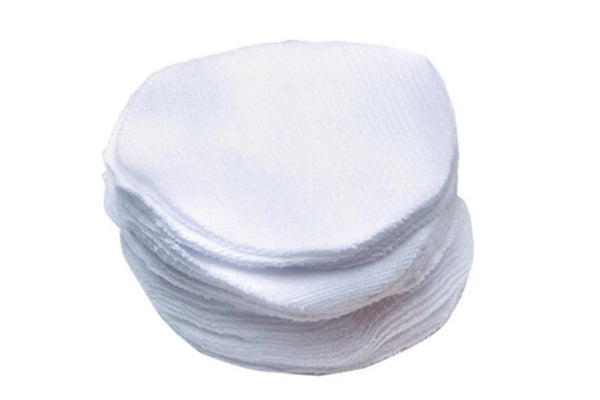
For a basic field cleaning, you'll typically need:
On an inline muzzleloader with a removable breech plug, remove the breech plug and run a wet cleaning patch through the bore. Flip the patch over and use the opposite side before replacing it.
Running approximately two wet patches, using both sides of each patch, can often remove enough fouling for you to continue shooting.
Follow the wet patches with a dry patch. Inspect the bore and make sure you don't have a heavy crud ring or substantial buildup that could interfere with loading your next bullet.
The goal of a field cleaning isn't necessarily to make the muzzleloader look brand new. You're primarily removing the buildup that's interfering with loading and consistent shooting.
Not necessarily.
Whether you need to swab between shots depends on your muzzleloader, load, and bore dimensions.
Some muzzleloaders have tighter tolerances and can become difficult to load after only one shot. If that's how your rifle behaves, swabbing between shots may make sense.
Other muzzleloaders can fire several shots before fouling becomes problematic.
Pay attention to how your particular muzzleloader behaves. If you can consistently seat your bullet to the same depth without excessive resistance, you may not need to clean after every shot.
Once loading becomes difficult or inconsistent, however, it's time to remove the fouling.
This is another reason load development is important. Learning how your muzzleloader behaves with a particular bullet and powder combination helps you establish a repeatable shooting and cleaning routine.
The ramrod stored underneath your muzzleloader can be used for cleaning when necessary, particularly when you're hunting and need to minimize the amount of equipment you're carrying.
For regular range use and deep cleaning, however, a dedicated range or cleaning rod is generally a better option.
A dedicated rod is typically thicker and more rigid, and a good handle gives you considerably more leverage than an onboard ramrod. You can also leave a cleaning jag installed on the rod so it's ready whenever you need to swab the bore.
Keeping a dedicated cleaning rod next to you at the range can make field cleaning significantly faster and easier.
Your onboard ramrod can then remain primarily dedicated to loading and field use.
After you're finished shooting, particularly if the muzzleloader is going into storage, it's time for a much more thorough cleaning.
Powder residue doesn't remain exclusively inside the barrel. It can work its way around the breech plug, firing pin assembly, receiver, trigger area, and other small openings in the rifle.
Even spilled powder can find its way between components and eventually sit against metal surfaces.
That's why a deep cleaning should address the entire muzzleloader rather than only the bore.
Before disassembly, make absolutely certain the muzzleloader is unloaded and follow the disassembly instructions provided by the manufacturer for your specific rifle.
Once you've verified that the muzzleloader is unloaded, remove the breech plug according to the manufacturer's instructions.
Wipe away loose residue with a wet cleaning patch and place the breech plug in a parts-soaking solution if you're performing a thorough cleaning.
A parts soaker can be particularly useful because the solvent can begin loosening residue while you work on the rest of the muzzleloader.
Pay close attention to the breech plug threads and fire channel. Both areas need to be clean and dry before the rifle is reassembled.
The firing pin assembly is an area that's easy to overlook.
Residue and primer blowback can accumulate around the firing pin and eventually interfere with its movement. If enough fouling builds up, it can contribute to ignition problems.
If your muzzleloader's manufacturer allows the firing pin assembly to be removed for cleaning, follow the manufacturer's procedure and clean it thoroughly.
Make sure the components are dry before reassembly, and apply the appropriate anti-seize to threaded components where recommended by the manufacturer.
Staying on top of this maintenance can also help prevent threaded bushings and other components from becoming seized in place.
With the breech plug removed, clean the barrel using a combination of wet patches, dry patches, and a bore brush when necessary.
A brass-bristle bore brush can help break loose stubborn deposits or a heavy crud ring.
Run your cleaning patches through the bore until you're no longer pulling out significant powder residue. Use a light to inspect the bore from the breech end when possible.
You're looking for a clean, reflective bore without visible areas of heavy fouling.
Pay particular attention to the area where the powder charge sits. Fouling and the crud ring can be especially dense near the breech, so this section may require additional passes even after the rest of the barrel appears clean.
Once the bore is clean, inspect the rest of the muzzleloader for powder residue.
Clean around the face of the receiver, firing pin opening, threads, trigger area, and any other location where residue may have accumulated.
If your manufacturer's instructions allow further disassembly for cleaning, this can also be an opportunity to inspect areas that normally aren't visible.
Use your cleaning solvent and patches to remove residue, then thoroughly dry the components.
The goal is to prevent small amounts of powder residue or moisture from sitting against the metal while the muzzleloader is in storage.
Once everything is clean and completely dry, the metal needs to be protected.
Apply an appropriate gun oil or rust-preventative product to the cleaned metal surfaces. This creates a protective barrier against moisture and oxidation.
Even corrosion-resistant finishes shouldn't be treated as maintenance-free. Nitride finishes, Cerakote, and stainless steel can provide additional protection, but proper cleaning and maintenance are still important.
Run an oiled or rust-preventative patch through the bore and protect the exterior metal surfaces as appropriate.
You can follow an oiled patch with a dry patch to remove excess oil while still leaving a thin protective film behind.
Don't assume that wiping down the outside of your muzzleloader is enough after hunting in rain or snow.
Moisture can work its way underneath the forearm, around the barrel, into the action, and into other areas you can't easily see.
Placing a wet muzzleloader into a soft case can make the situation even worse by trapping moisture against the rifle.
If your muzzleloader gets wet, give it a thorough cleaning and make sure the components are completely dry before storage. Follow that cleaning with the appropriate rust protection.
A little extra maintenance after a wet hunt can prevent a significant rust problem later.
For black powder and black powder substitutes, use a cleaning solution designed to remove black powder fouling.
Water-based and appropriate citrus-based muzzleloader cleaning solvents are effective options for removing this type of residue.
Traditional petroleum-based centerfire solvents aren't necessarily the best choice for cleaning black powder residue. Petroleum products can mix with the fouling and create a sludge that's more difficult to remove.
Use a dedicated muzzleloader cleaning solvent for removing powder residue, then use an appropriate oil or rust preventative after the rifle has been cleaned and dried.
Hoppe's No. 9 isn't the preferred product for removing black powder or black powder substitute residue.
For the actual cleaning process, a water-based or other appropriate muzzleloader-specific solvent is a better option.
Oil-based products can still have a place during the final preservation stage. Once you've removed the black powder residue with the proper cleaner and completely dried the rifle, an appropriate gun oil can be used to protect the metal during storage.
The important distinction is between cleaning the fouling and protecting the cleaned metal afterward.
WD-40 shouldn't be your primary muzzleloader cleaning solvent.
It can have a useful role as a penetrating product if you're dealing with a seized breech plug, nipple, or another component with hardened residue around the threads.
If you do use it to help free a stuck component, thoroughly clean the affected areas afterward.
You don't want oily residue remaining in the bore, breech plug, or fire channel where it could contaminate your next powder charge.
For routine muzzleloader cleaning, stick with a proper water-based or muzzleloader-specific cleaning solvent.
Oil is important when your muzzleloader is being stored, but you don't want that oil contaminating your powder when it's time to shoot.
Before loading a muzzleloader that has been stored with oil or a rust preventative in the bore, clean the bore and remove the excess oil.
Powder that contacts oil can become contaminated and may not burn properly. This can cause ignition problems, unburned powder, reduced velocity, and inconsistent performance.
Think of cleaning and storage as a cycle.
Clean and dry the muzzleloader after shooting, protect it with oil for storage, then remove that oil before loading and shooting again.
A clean barrel won't help you if the primer flame can't reliably reach the powder charge.
The fire channel through the breech plug is small and can become obstructed by residue or affected by moisture.
After cleaning the breech plug, make sure the fire channel is completely clear and dry before reinstalling it.
Even a small amount of moisture can create ignition problems.
A nipple pick is one of the most useful small tools you can keep in your muzzleloader cleaning kit. Use it to make sure the fire channel is unobstructed.
Because it's small and lightweight, a nipple pick is also worth carrying in your possibles bag or hunting pack. A blocked fire channel in the field can prevent you from taking a follow-up shot when you need one.
If your muzzleloader has a muzzle brake, cleaning from the breech toward the muzzle can make the process much easier.
Trying to feed a cleaning patch down through a ported muzzle brake can be frustrating because the patch can catch on the brake's internal surfaces and ports.
With the breech plug removed, push the cleaning rod and patch from the breech toward the muzzle. Once the patch exits the barrel, remove it before pulling the rod back through.
This also has the benefit of pushing dirty residue out through the muzzle rather than back toward the receiver and trigger assembly.
After a deep cleaning, moisture or cleaning residue can sometimes remain in the fire channel.
Before loading, make sure the bore and fire channel are completely clean and dry. Depending on your muzzleloader and manufacturer's instructions, firing a primer or cap through an unloaded muzzleloader can be used as an additional check before loading.
This can help confirm that the ignition pathway is clear after cleaning.
Always follow the manufacturer's recommendations for your particular ignition system.
The safest and most reliable approach is to follow your muzzleloader manufacturer's unloading and storage instructions rather than assuming a load will remain unaffected indefinitely.
One concern during a multi-day hunt is moisture.
If you carry your muzzleloader all day in freezing temperatures and then bring it into a warm building, the temperature change can create condensation. That moisture may affect your powder charge even though you never fired the rifle.
If you have any reason to question the condition of the powder charge, unload the muzzleloader according to the manufacturer's instructions, clean it as necessary, and start with a fresh load.
When you're hunting, eliminating uncertainty is worth the additional effort.
Moisture doesn't have to come from cleaning.
Rain and snow can enter an uncovered muzzle while you're hunting. Because a muzzleloader's powder charge is loaded directly into the barrel, moisture entering the bore can potentially compromise your load.
A muzzle cover can help protect the bore from rain, snow, and debris while you're in the field.
This is particularly useful when carrying your muzzleloader with the barrel pointed upward in wet or snowy conditions.
Keeping moisture out in the first place is much easier than dealing with a compromised powder charge later.
If you suspect your powder charge has been exposed to moisture or otherwise compromised, don't simply ignore it and hope everything works when an opportunity presents itself.
Follow your muzzleloader manufacturer's recommended unloading procedure.
For many modern inline muzzleloaders, this may involve removing the breech plug, removing the powder charge, and carefully pushing the projectile out through the muzzle. However, unloading procedures vary by design, so always follow the instructions for your particular muzzleloader.
After removing a compromised load, clean the barrel before loading another charge.
Powder and fouling can remain inside the bore, particularly around the area where the powder charge was sitting. Make sure that residue and any crud ring are removed before starting over with a fresh load.
You don't necessarily need every muzzleloader cleaning accessory on the market.
A basic cleaning kit should give you the tools necessary to remove fouling, clear the fire channel, dry the rifle, and protect the metal.
Useful items include a dedicated cleaning rod, cleaning jag, wet cleaning patches, dry cotton patches, a bore brush, nipple pick, water-based muzzleloader solvent, parts-soaking solution, anti-seize for appropriate threaded components, and rust-preventative patches or gun oil.
You can add specialized cleaning products as needed based on your particular muzzleloader.
A foaming bore cleaner can be especially useful when performing a deep cleaning.
Once the barrel is ready to be cleaned, apply the foaming bore cleaner according to the product's instructions and allow it to work on the powder residue.
While the cleaner is working inside the barrel, you can turn your attention to the breech plug, firing pin assembly, receiver, and exterior components.
Once the recommended time has passed, continue cleaning the bore with patches until the residue and cleaner have been removed.
This can reduce the amount of manual scrubbing required when you're dealing with stubborn fouling.
There are several muzzleloader-specific cleaning products capable of doing the job.
In our own use, we've had particularly good results with Thor cleaning products, including their pre-saturated cleaning patches, loose cleaning solvent, parts soaker, and foaming bore cleaner.
The water-based cleaning solution does a good job of breaking down black powder and black powder substitute residue without requiring excessive scrubbing in most situations.
Regardless of which brand you choose, the most important thing is to use a cleaner designed for the type of fouling produced by your muzzleloader rather than relying exclusively on a traditional petroleum-based centerfire solvent.
One of the easiest mistakes to make is putting off your cleaning.
You get home from the range and decide you'll clean the muzzleloader tomorrow. Tomorrow becomes a few days, and a few days can quickly turn into weeks.
Meanwhile, the residue inside the rifle is still sitting against the metal.
Make cleaning part of your range-day routine. When you finish shooting, plan enough time to properly clean the muzzleloader before putting it away.
This is particularly important if the rifle is going to sit unused for weeks or months.
A quality muzzleloader is an investment that can provide decades of use when properly maintained.
The extra cleaning required by muzzleloading is simply part of the process.
Learn how your particular rifle behaves, establish a consistent cleaning routine, and keep the essential cleaning tools available both at home and in the field.
Field cleaning helps maintain consistent loading and shooting during a range session or hunt. Deep cleaning removes the residue and moisture that can cause long-term damage. Proper oiling protects the metal while the rifle is stored.
Most importantly, don't wait until you can see rust to start thinking about maintenance.
Clean your muzzleloader promptly, keep the bore and fire channel dry before loading, protect the metal before storage, and follow the manufacturer's cleaning and maintenance instructions for your particular rifle.
A little extra time spent cleaning today can help keep your muzzleloader shooting accurately and reliably for many hunting seasons to come.
Leave a comment